

Kali Puja, also called Shyama Puja or Mahanisha Puja, is a major Hindu festival devoted to the fierce goddess Kali, who represents the destruction of evil and the triumph of spiritual light over darkness. Celebrated mainly in eastern India and Bangladesh, it coincides with Diwali, transforming the festival of lights into a night of empowerment and devotion to the dark mother.
Key facts
- Timing: New moon (Amavasya) night in Kartik (October–November)
- Alternate names: Shyama Puja, Mahanisha Puja, Deepabali (in Bengal)
- Main regions: West Bengal, Odisha, Assam, Bihar, Bangladesh
- Core deity: Goddess Kali, embodiment of Shakti and protection
Origins and mythology
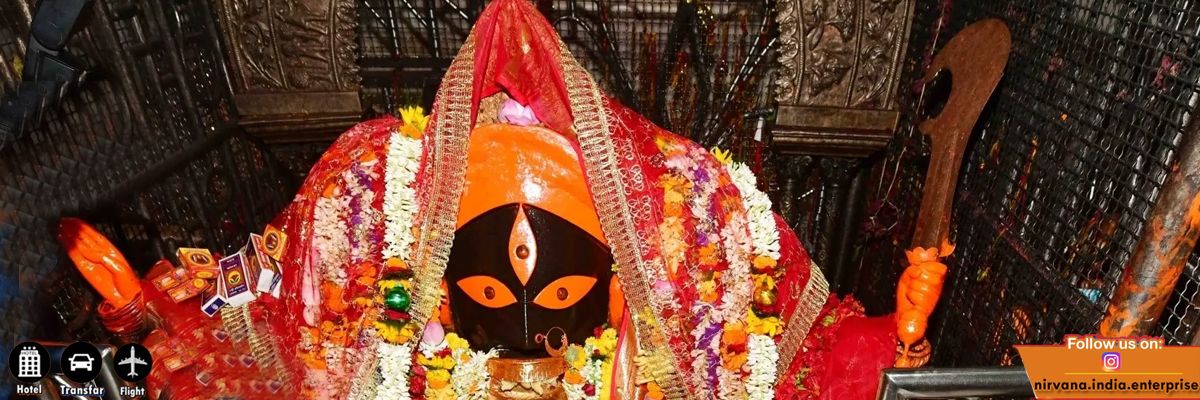
According to Hindu legend, Goddess Kali emerged from Durga’s forehead during her battle with the demon Raktabija. Her unstoppable fury annihilated evil forces until Shiva calmed her by lying beneath her feet—a moment immortalized in iconography showing her tongue out in shock. The episode symbolizes the balance of creation and destruction, and liberation from ego and ignorance.
Rituals and observances

5
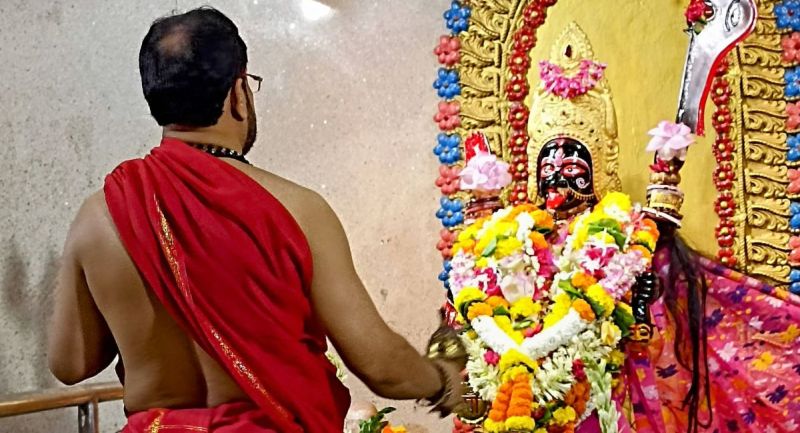
Devotees observe the puja at midnight, when Kali is believed to manifest her most potent energy. Homes and temples are adorned with lamps and “alpana” (rice-paste designs). Offerings include red hibiscus flowers, rice, sweets, fish, and symbolic sacrifices. In tantric traditions, rituals feature hymns, mantras such as Om Krim Kalikayai Namah, and sometimes midnight fire ceremonies (homa). Fairs, music, and fireworks follow through the night, paralleling Diwali’s illumination.
Regional celebrations
In West Bengal, temples like Dakshineswar Kali Temple and Kalighat Temple attract vast crowds. Odisha’s Puri hosts elaborate Shyama Puja rituals, while Assam and Bangladesh mark the occasion with communal feasts, music, and lighting of thousands of diyas in memory of ancestors. The night before, Bhoot Chaturdashi is observed by lighting 14 lamps to honor forebears and ward off spirits.
Cultural and spiritual significance
Kali Puja signifies transformation through courage—facing inner darkness and ignorance. It celebrates feminine energy (Shakti) as the ultimate source of protection and enlightenment. Beyond ritual, the festival affirms the cyclical truth that destruction precedes renewal, guiding devotees from fear toward spiritual freedom.